
Be wary of tax scams
As filing season approaches, take these steps to safeguard your funds
By Michael Pramik, Ohio Public Employees Retirement System
Jan. 29, 2026 – The number of tax schemes and scams has risen sharply in recent years, with fraudsters operating throughout the year. To avoid becoming a victim, taxpayers should remain vigilant.
One of the best safeguards is filing as early as possible. The longer you delay, the greater the risk that someone could submit a fraudulent return using your information. Take steps to protect your tax data, including keeping your 1099-R tax form secure.
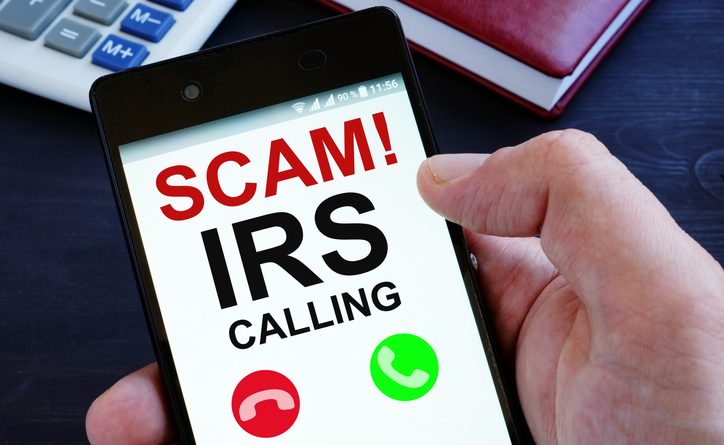
The Internal Revenue Service does not initiate contact with taxpayers by email or phone to request personal or financial information. Typically, the IRS sends a paper notice if taxes are owed. In limited situations, the agency may call or visit in person.
The IRS and its authorized collection agencies will never:
- Leave urgent or threatening voicemails.
- Threaten immediate law enforcement action, deportation, or license revocation over unpaid taxes.
- Demand immediate payment via prepaid debit cards, gift cards, wire transfers, or checks made out to third parties.
- Require payment without allowing taxpayers to question or dispute the amount owed.
Report suspicious IRS, Treasury, or tax-related phishing attempts by saving the email and attaching it to phishing@irs.gov.
The IRS maintains a list of the “dirty dozen” tax scams, which it likely will update later this year. The agency also recommends the following steps to help taxpayers recognize and avoid common fraud tactics:
The IRS provides free tax return preparation for eligible taxpayers. If you choose to hire a paid preparer, research the person’s credentials and ensure the preparer is available year-round.
- Confirm that your preparer has a valid IRS Preparer Tax Identification Number (PTIN).
- Avoid “ghost” preparers who refuse to sign the tax return they prepare.
- Be wary of promises of unusually large refunds — if it sounds too good to be true, it probably is. Taxpayers are ultimately responsible for paying the correct amount of taxes.
- Never sign a blank tax return, and review all information before submission.
- Make sure your refund is deposited into your own bank account, not an account controlled by your preparer.
- The IRS will never threaten legal action over the phone. If you receive such a call, hang up — it’s a scam.
- Be cautious of texts, emails, or social media messages claiming to be from the IRS. These may contain harmful software designed to steal personal information. Do not click on links or reply.
- Protect your personal and financial information, and never share it in response to unsolicited IRS-related communications.
- Report suspected fraud to law enforcement as soon as possible.

Michael Pramik
Michael Pramik is communication strategist for the Ohio Public Employees Retirement System and editor of the PERSpective blog. As an experienced business journalist, he clarifies complex pension policies and helps members make smart choices to secure their retirement.