
Starved for connection
Here’s how to find relief if your winter has been one of discontent
By Betsy Butler, Ohio Public Employees Retirement System
Feb. 12, 2026 – As the new year began, we found ourselves in a glistening new season that invited reflection, offering us the opportunity to cuddle up and make resolutions for the hopeful months ahead.
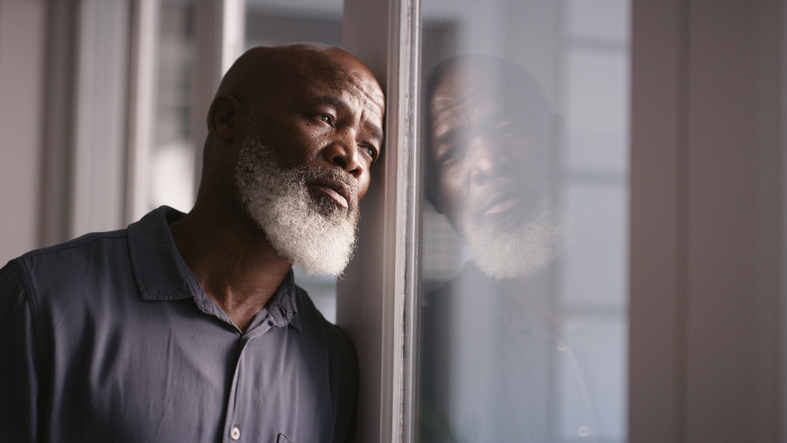
However, as winter limps along, this desolate, stark time can also lead those idealized intentions to be replaced by intensified feelings of loneliness and disconnection.
More than half of American adults consider themselves lonely, isolated, left out and lacking companionship often or some of the time, according to the American Psychological Association’s latest Stress in America™ survey.
Loneliness and social isolation have become a significant public health challenge in recent years. Chronic feelings of loneliness can lead to high blood pressure, heart disease, obesity and even dementia. Regardless of age, gender or situation in life, people can suffer when they believe they have no one to talk to or share their thoughts and experiences with.
And it’s not just individual well-being that suffers. Loneliness is destructive at the community level. When we are less connected to each other, we are less able to pull together to face challenges.
The growing issue prompted Theresa May, former Prime Minister of the United Kingdom, to create the country’s Ministry of Loneliness in 2018. Since then, the governmental effort has developed policies aiming to reduce loneliness across various demographics, including the elderly, caregivers and those who have lost loved ones. One popular outgrowth is the UK’s Big Lunch initiative, which brings together millions for friendship, food and fun for four days each June, and encourages people to converse and connect with those they might not otherwise meet over a communal meal.
Stateside, Mel Robbins, the bestselling author and podcast host, has devoted herself to making a positive impact during a time when people feel lonely, overwhelmed and disconnected from things that bring their life meaning. By doing so, she hopes that people will turn inward and look for ways to empower themselves to do good and feel better. “If you feel broken, what’s missing in your life is growth. And if I can get you to grow and learn in any area of your life, you start to change,” she said in an interview that aired during a recent edition of “CBS Sunday Morning.”
Before long, the seemingly unending snow-filled forecasts, brutal wind chills and warnings of roof ice dams will give way to the nonstop pace of a glorious summer. Until then, take comfort in your cozy cocoons and know that loneliness can be overcome. Connecting elders with schoolchildren and young families is one strategy. Another is encouraging neighbors to engage with each other. And while the mental benefits of physical exercise offer year-round relief, local Metro Parks Winter Hike Series offer a fun, engaging way to enjoy the outdoors during winter.
Once seen as quiet sanctuaries where books reign supreme, libraries have transformed themselves into vibrant community hubs where the lonely, or those just longing for human interaction, can find relief. Complimentary programs and events encourage casual connections with neighbors and provide a feeling of belonging by participating in shared experiences.
In these welcoming environments where people can meet, learn and belong, traditional book clubs, crafting meet-ups and yoga classes have evolved into more unique offerings like collaborative public art installations, workforce skill development programs, and Common Read events, providing a variety of ages with a shared experience that fosters discussion and introduces participants to new perspectives. What’s more, they serve as a warm refuge with access to technology when power and Internet connectivity go out at home.
Whatever the strategy, being in touch with others is a fundamental human need that is crucial to both well-being and survival. During the COVID-19 pandemic, the Strive For Five Challenge encouraged Ohioans to connect with at least five people a day for 30 days, fostering a sense of community and support in the midst of those isolating times. Today, the idea remains beneficial.
Ohio has implemented several initiatives to combat social isolation and loneliness, particularly among older adults, caregivers and vulnerable populations. The Ohio Department of Aging provides comprehensive resources to connect residents with local resources; to find services near you, call 1-866-243-5678. Area Agencies on Aging connect older adults with community-based services, including regular, friendly phone calls from volunteers.
The Ohio CareLine (1-800-720-9616)is a24/7 toll-free emotional support call service staffed by licensed professionals to assist Ohioans experiencing loneliness, distress and anxiety. Anyone in a behavioral health crisis is urged to call the 988 Suicide & Crisis Lifeline, a 24/7, free and confidential line staffed by trained counselors.

Betsy Butler
Betsy Butler is the Ohio Public Employees Retirement System’s knowledge and issues strategist, researching information on pensions, retirement and health care. Betsy came to OPERS in 2009 after working as a special collections librarian for two OPERS employers: the Ohio History Connection and Miami University.